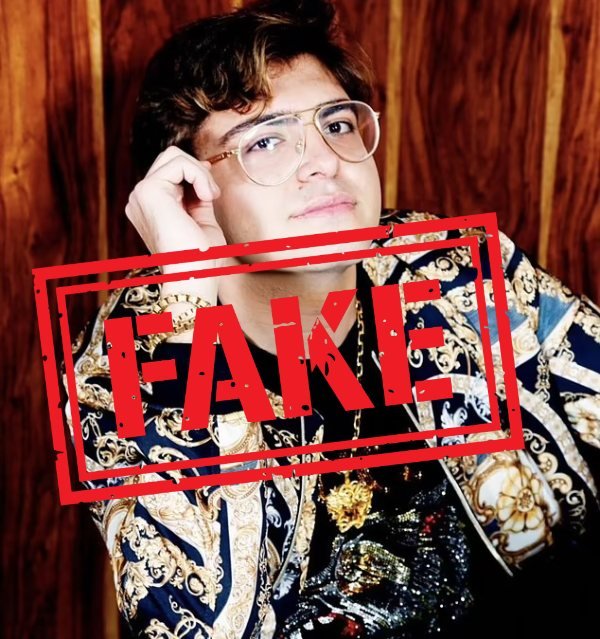
Navid Yousefi, also known as Navid Sole, has appeared in television and online media and has presented himself publicly as a celebrity and as someone associated with wealth, fashion, and well-known personalities.
However, questions have been raised about the authenticity of the public image he presents. In particular, there are concerns about the clothing and accessories he is seen wearing, the way his wealth and celebrity status are portrayed, and whether his public persona accurately reflects reality.
By Staged Desk5 min read
This week
Colour marks the standard of proof: green is documented, blue is analysis, amber is fiction.
Reality television personality, pharmacist, aspiring singer and businessman Navid Sole has spent years building a highly visible public image. But behind the…
A fake jet is $34.99 an hour. A real one is $425. Between those two numbers sits an entire supply chain — not a conspiracy, just a market. The case for literacy over outrage.
Followers cost about a cent each. Clicks cost less. Here is the documented price list, the two regulators who called it illegal, and the honest limits of the data.
A publicist says he paid a star $50,000 for a couple of street shots. A declared sponsored post from the same tier costs over $1M. That gap explains the whole staged-candid economy.
A 2019 internal slide said “we make body image issues worse for one in three teen girls.” Meta says the Journal mischaracterised small self-report studies. Both things can be read from the same documents — and now a jury has weighed in.
A fictional engagement-services company reports a solid year. The letter to shareholders is confident, the segments are growing, and the risk factors are load-bearing. Satire.
$53,088 per violation, a 5-0 vote, more than 700 companies already on notice - and, so far, not a single penalty judgment under the FTC's flagship fake-reviews rule.
144 Dutch girls could not distinguish reshaped Instagram photos from real ones — and rated the fakes higher. What that experiment supports, what the contested wider literature does not, and why design beats headlines.
Five people remember the same forty seconds outside a bakery. No two accounts agree on the weather, the fruit, the dog or who was filming. Everyone is certain. Satire.
$45 a month for a Chanel bag. $50 an hour for the room. $425 an hour for a jet that never leaves. The published price list for an aspirational photograph.
9
The receipts, weekly.
One documented case, one industry breakdown, every Thursday. No hype, no hate campaigns, sources on everything.
Add your mailing-list form URL under Appearance → Customize → Newsletter to activate this form.
The Federal Court of Australia fined Belle Gibson A$410,000. The largest single count was not about the cancer she never had. It was about a week of app sales owed to a sick child.
Followers cost about a cent each. Clicks cost less. Here is the documented price list, the two regulators who called it illegal, and the honest limits of the data.
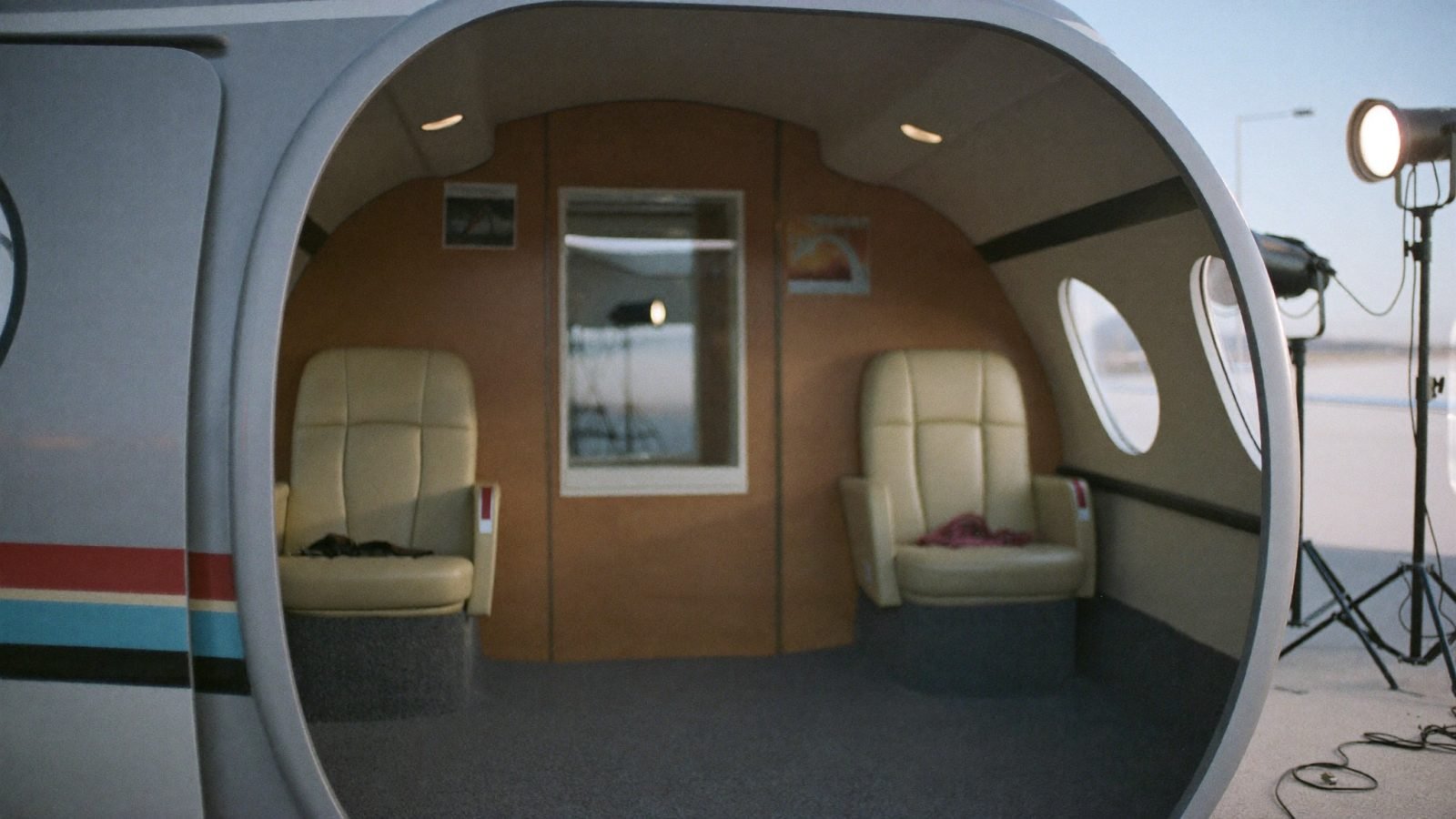
A plywood fuselage in Boyle Heights rents for less than dinner. A real grounded Gulfstream costs twelve times more. The economics of the fake-jet studio, and the correction the press never printed.
A publicist says he paid a star $50,000 for a couple of street shots. A declared sponsored post from the same tier costs over $1M. That gap explains the whole staged-candid economy.
$53,088 per violation, a 5-0 vote, more than 700 companies already on notice - and, so far, not a single penalty judgment under the FTC's flagship fake-reviews rule.
$45 a month for a Chanel bag. $50 an hour for the room. $425 an hour for a jet that never leaves. The published price list for an aspirational photograph.
A fake jet is $34.99 an hour. A real one is $425. Between those two numbers sits an entire supply chain — not a conspiracy, just a market. The case for literacy over outrage.
A 2019 internal slide said “we make body image issues worse for one in three teen girls.” Meta says the Journal mischaracterised small self-report studies. Both things can be read from the same documents — and now a jury has weighed in.
144 Dutch girls could not distinguish reshaped Instagram photos from real ones — and rated the fakes higher. What that experiment supports, what the contested wider literature does not, and why design beats headlines.
France, Norway and Israel criminalised undisclosed body retouching in advertising. Norway even specified the label to seven per cent of the image. Between them, they have produced no meaningful enforcement action at all.