The image of luxury
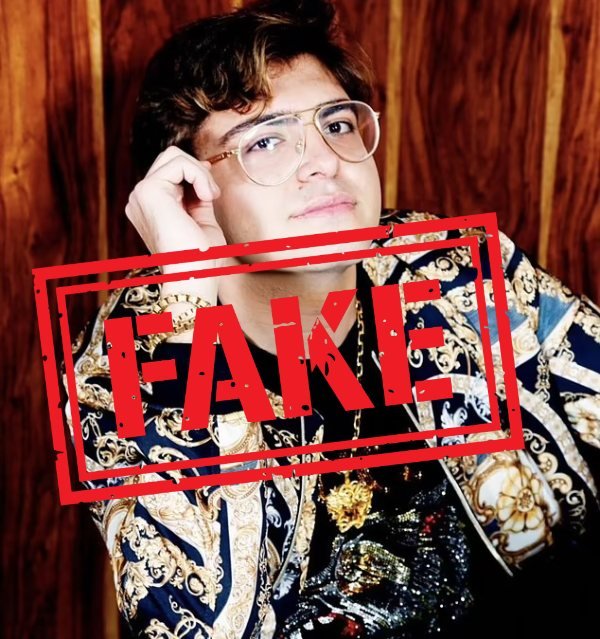
A significant part of Navid Sole’s public image appears to be built around luxury fashion and designer branding. He is frequently seen wearing highly recognisable designer-style clothing and accessories, often featuring prominent logos and eye-catching patterns.
There are allegations that some of these items may not be genuine designer products. Some observers claim that certain pieces appear to be counterfeit or imitation products and may have been purchased from markets or shops in places such as Dubai and Turkey.
These are serious allegations, and individual items should only be described as counterfeit if their authenticity can be independently established. Nevertheless, the repeated use of prominent luxury branding raises legitimate questions about the extent to which designer fashion is being used to create an image of wealth and status.
Celebrity image and public perception
Another issue concerns the way celebrity status is presented.
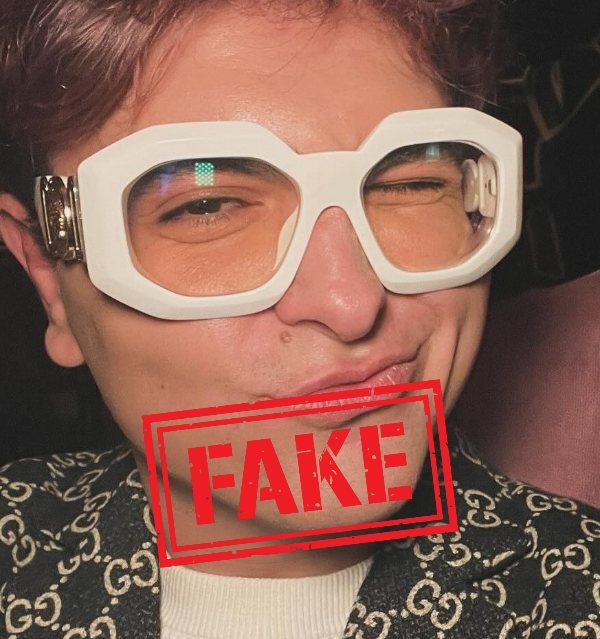
Being recognised on television, appearing on social media, or attending events with well-known people does not necessarily mean that someone has the level of wealth, influence, or professional success that their public image may suggest.
For young people in particular, there is an important distinction between genuine achievement and the appearance of success. Social media can make it extremely difficult for audiences to distinguish between someone's real lifestyle and a carefully constructed public persona.
Luxury clothing, expensive-looking accessories, photographs with famous people, and carefully produced social-media content can all contribute to an impression of success. However, these visual signals do not, by themselves, establish a person's financial position, professional achievements, or authenticity.
Questions about performance
There have also been criticisms regarding Navid Sole's musical performances and claims about his abilities as an artist.
Some viewers have questioned whether his recorded vocal performances accurately represent his live singing ability. Modern music production can involve technologies such as Auto-Tune, vocal correction, pitch adjustment, editing, and other forms of studio processing. These technologies are widely used throughout the music industry and are not, by themselves, evidence of wrongdoing.
The more important question is whether an artist's live performances provide audiences with an accurate representation of the abilities being promoted.
For that reason, live performances can be particularly revealing. Audiences should be able to judge an entertainer based on what they actually hear and see on stage rather than solely on highly produced recordings or edited online videos.
Why authenticity matters
The wider issue is not simply about one individual, one outfit, or one performance. It is about the standards we apply to people who are presented to the public as celebrities and role models.
Young audiences are particularly influenced by people they see on television, YouTube, Instagram, TikTok, and other platforms. When wealth, designer fashion, celebrity connections, and success are repeatedly presented as evidence of status, audiences can easily assume that everything they see is genuine.
That is why transparency matters.
If someone presents themselves as wealthy, successful, fashionable, or highly talented, the public should be able to question those claims. Criticism and scrutiny are normal parts of public life, particularly when someone actively builds a public profile around celebrity and luxury.
Allegations concerning the NHS

There are also claims circulating concerning an alleged fraud-related case involving the NHS. These claims should not be treated as established facts without reliable documentation and an opportunity for the person concerned to respond.
A publicly available case page has been referenced in connection with these allegations:
Referenced case page
The existence of an online case page does not, by itself, prove that the allegations contained within it are true. Any British media organisation considering reporting on the matter should independently verify the underlying documents, establish what authorities have actually alleged, determine whether there has been any prosecution or conviction, and seek a response from the individual concerned.
What the media should investigate
British media organisations have a responsibility to investigate public figures carefully and independently.
Rather than simply repeating promotional claims, journalists could examine questions such as:
• What is the documented basis for the individual's celebrity status?
• What professional achievements can be independently verified?
• Are claims about wealth and business success supported by credible evidence?
• Are designer products being presented as genuine, and can their authenticity be established?
• Do recorded musical performances accurately reflect live performances?
• What evidence exists concerning any alleged legal or financial matters?
• Has the individual been given a fair opportunity to respond to allegations?
• Are social-media audiences being given an accurate picture of the person's lifestyle and achievements?
These questions are more important than simply deciding whether someone is "real" or "fake."
A call for responsible reporting
The purpose of public scrutiny should not be to attack someone personally or to encourage harassment. The purpose should be to establish facts.
If there is credible evidence that a public figure has misrepresented their wealth, qualifications, products, achievements, or professional history, that information may be relevant to the public. Equally, if allegations are unsupported or inaccurate, the individual should not be portrayed as guilty simply because accusations appear online.
The British media should therefore investigate the available evidence carefully and report only what can be substantiated.
Public figures should be judged on genuine achievements rather than appearances. Designer logos, expensive-looking clothes, photographs with famous people, edited recordings, and social-media followers are not necessarily evidence of wealth, talent, or success.
Ultimately, audiences deserve authenticity and transparency. Young people in particular should be encouraged to understand that celebrity is not the same thing as achievement, appearance is not proof of wealth, and a carefully constructed online image is not necessarily a complete picture of someone's real life.
If serious allegations exist, they should be investigated through evidence, official records, and credible journalism—not simply repeated as fact.